
Understanding the Many Ways Autistic Children Communicate
As a parent, you already know a lot about your child, including the unique ways they communicate and express themselves. But have you ever wondered whether a particular action, movement or sound might be your child's way of communicating?
Recent research is helping us learn more about the different ways autistic children express themselves, showing that communication doesn't always mean talking, pointing or making eye contact.
Autistic Children Communicate in Many Ways
Communication happens whenever your child sends a message to another person, regardless of how they send it. Autistic children communicate in many different ways, including:
- Body movements and actions: Moving closer to a person, object or place, bringing an object to another person or taking someone's hand and moving it toward something.
- Gestures: Using gestures like reaching, pointing, giving or showing an object, waving or nodding.
- Facial expressions and eye gaze: Smiling, frowning or looking toward people or objects.
- Sounds and vocalizations: Making sounds such as squeals, grunts, hums or other non-word vocalizations.
- Repeated words or phrases (echolalia): Repeating words or phrases they've heard before.
- Pictures, symbols and Augmentative and Alternative Communication (AAC): Using pictures, signs or a communication device.
- Words, phrases and sentences: Using spoken language.
Sometimes your child’s actions, movements, sounds or expressions are not intended as messages to another person. Instead they may reflect how your child’s feeling or what they’re experiencing. For example, your child might go into the kitchen when they’re hungry or squeal during an exciting part of a game. Even when these actions aren’t intended as messages, they can still tell you something important about your child and give you an idea of how you can respond to them.
A Closer Look at How Autistic Children Communicate
Research is helping us understand more about the many ways autistic children communicate and express themselves and how parents respond.
In a 2026 study, researchers observed 58 autistic and non-autistic children, ages one to three, playing with their mothers. They looked at how the children used actions, gestures, sounds and words and found that the autistic children reached toward objects, guided their mothers’ hands toward things they wanted and used sounds more often than they used words [2].
Autistic children may also use several different ways to communicate. In a 2024 study, researchers looked at how 47 autistic children who used few spoken words communicated with their parents. They found that most of the children used two or more ways to communicate, including gestures, words, combinations of the two or AAC [1]. The way children communicated, or how clearly they expressed their messages, didn’t significantly impact how often parents responded in ways that related to those messages [1].
These findings highlight the many ways autistic children communicate, and the important role parents play in recognizing and responding to their children’s unique ways of expressing themselves.
The Reasons Why Children Communicate
The different ways children communicate tell us how they’re sending a message, but it’s also important to understand why they’re communicating. Children send messages for many reasons, including to request something, protest about something they don't like or want, get someone's attention, greet others, share interests, ask questions or make comments [3].
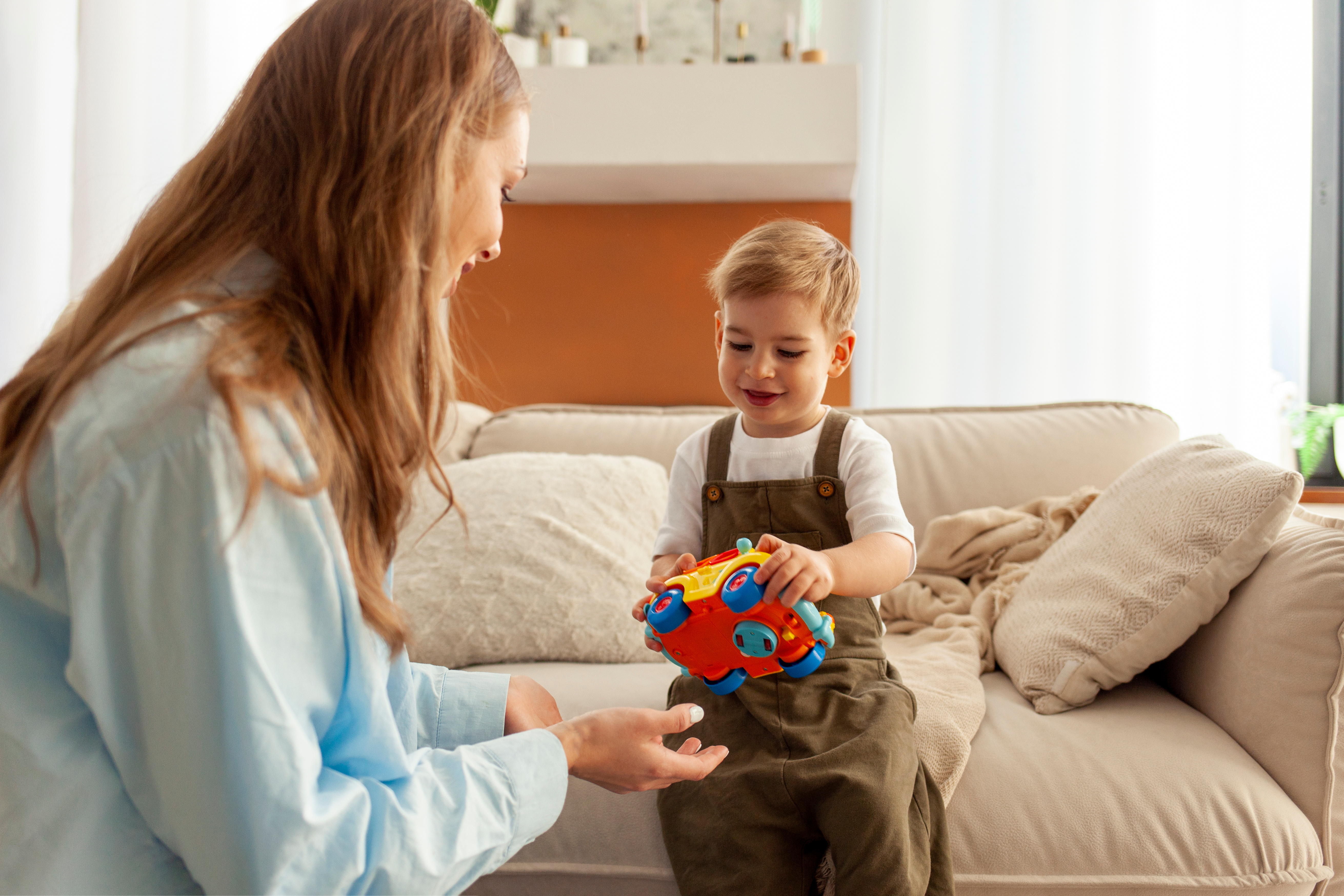 The How: Your child holds out their toy car
The Why: What’s the reason for this message? Are they requesting help with the car? Inviting you to play? Or showing you something they think is interesting?
Even when your child isn’t trying to send a message, their actions, sounds and movements can give you clues about what they’re feeling or experiencing. By noticing these actions and considering what’s happening around your child, you can better understand why they might be doing something and how to respond.
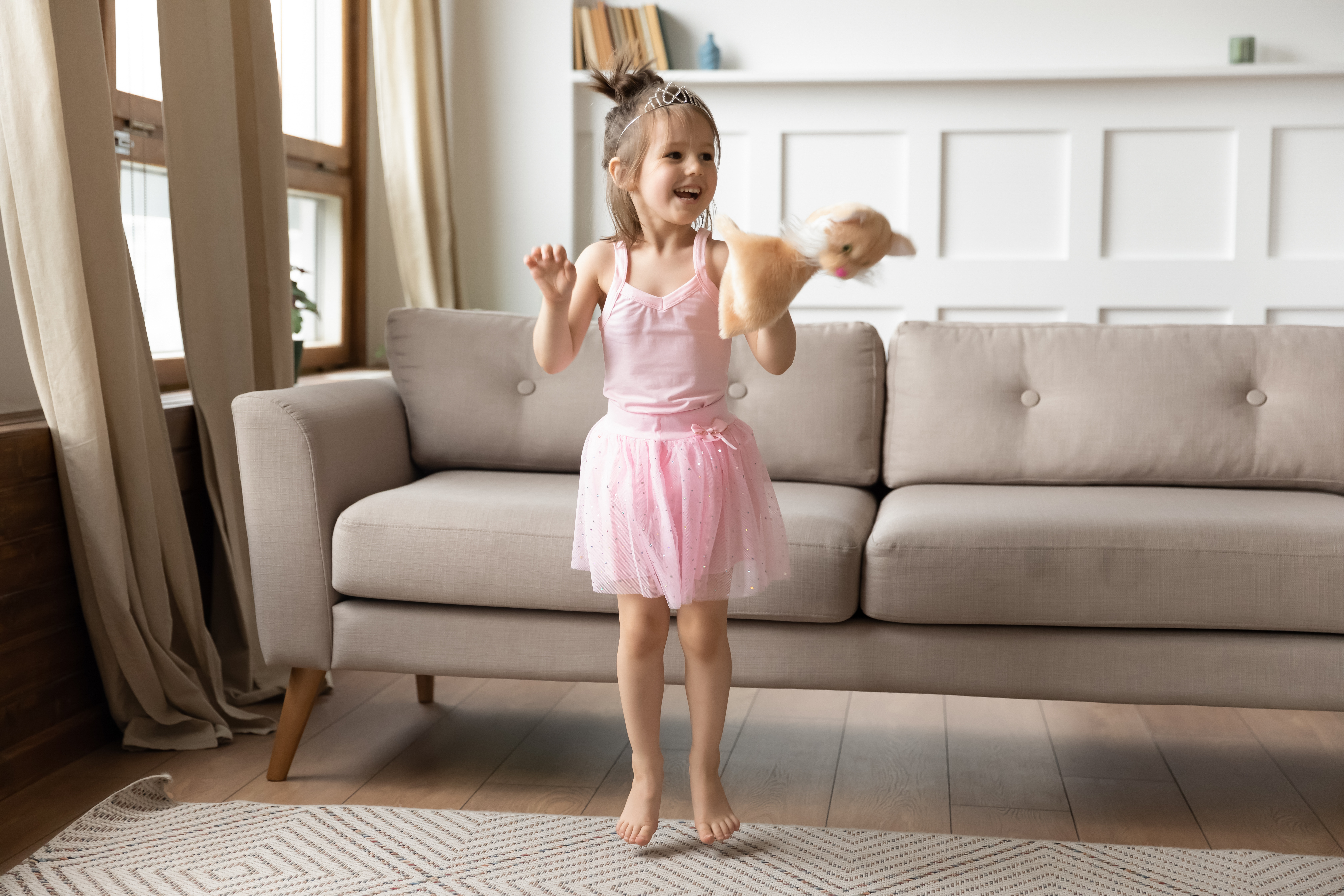 The How: Your child jumps up and down with their favourite toy
The Why: What might they be feeling or experiencing? They might be expressing excitement or enjoyment, even if they are not sending a specific message to you.
Noticing How and Why Helps You Interact
Whether your child is sending you a message or expressing their feelings or interests, noticing what they do can create opportunities for enjoyable interactions.
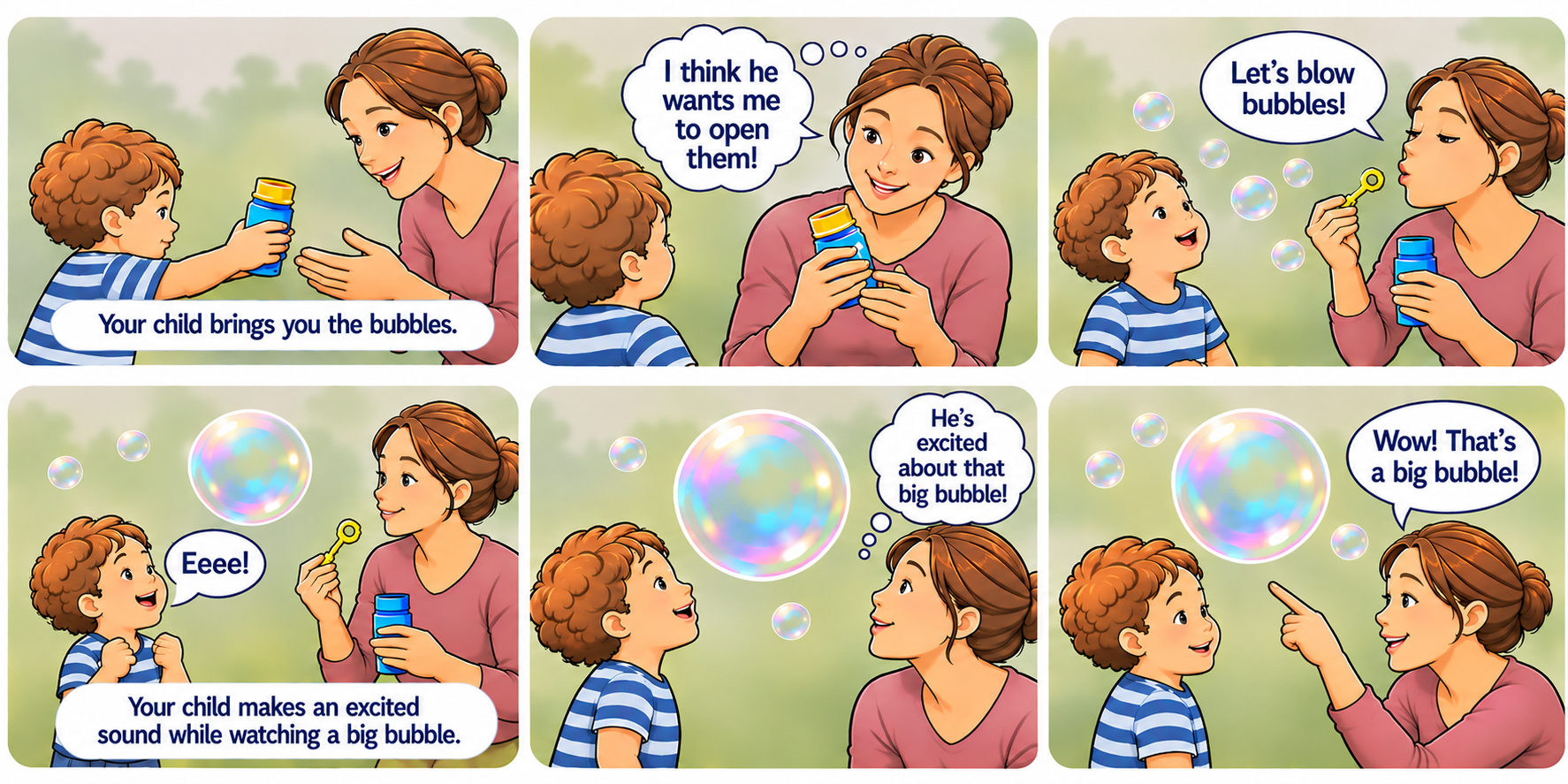
When you notice the different ways your child communicates and expresses themselves, you have more opportunities to understand what they might be telling you or how they’re feeling. By responding to their messages, actions and expressions, whether or not they’re intended as messages to you, you help create fun, back-and-forth interactions with your child. It’s through these everyday interactions that they learn more about communicating with others.
Every Child Has Their Own Way of Communicating
Autistic children have their own unique ways of communicating and expressing themselves. By building on what you already know about your child, noticing how they communicate and considering why they’re sending messages, you can find more opportunities to interact with them in your everyday activities.
Similar articles by tag: